Good Articles That Don't Deserve Their Own Threads

http://www.popularmechanics.com/science/health/a26038/the-blood-of-the-crab/

THE BLOOD OF THE CRAB
By Caren Chesler
Apr 13, 2017

  • Horseshoe crab blood is an irreplaceable medical marvel—and so biomedical companies are bleeding 500,000 every year. Can this creature that's been around since the dinosaurs be saved?

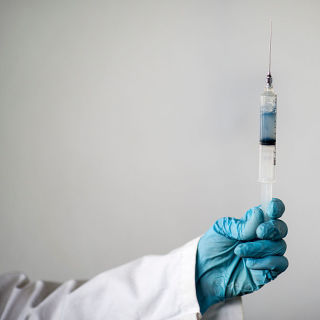
Meghan Owings plucks a horseshoe crab out of a tank and bends its helmet-shaped shell in half to reveal a soft white membrane. Owings inserts a needle and draws a bit of blood. "See how blue it is," she says, holding the syringe up to the light. It really is. The liquid shines cerulean in the tube.

When she's done with the show and tell, Owings squirts the contents of the syringe back into the tank. I gasp. "That's thousands of dollars!" I exclaim, and can't help but think of the scene in Annie Hall when Woody Allen is trying cocaine for the first time and accidentally sneezes, blowing the coke everywhere.

I'm not crazy for my concern. The cost of crab blood has been quoted as high as $14,000 per quart.

Their distinctive blue blood is used to detect dangerous Gram-negative bacteria such as E. coli in injectable drugs such as insulin, implantable medical devices such as knee replacements, and hospital instruments such as scalpels and IVs. Components of this crab blood have a unique and invaluable talent for finding infection, and that has driven up an insatiable demand. Every year the medical testing industry catches a half-million horseshoe crabs to sample their blood.


"EVERY MAN, WOMAN, AND CHILD AND DOMESTIC ANIMAL ON THIS PLANET THAT USES MEDICAL SERVICES IS CONNECTED TO THE HORSESHOE CRAB."


But that demand cannot climb forever. There's a growing concern among scientists that the biomedical industry's bleeding of these crabs may be endangering a creature that's been around since dinosaur days. There are currently no quotas on how many crabs one can bleed because biomedical laboratories drain only a third of the crab's blood, then put them back into the water, alive. But no one really knows what happens to the crabs once they're slipped back into the sea. Do they survive? Are they ever the same?

Scientists like Owings and Win Watson, who teaches animal neurobiology and physiology at the University of New Hampshire, are trying to get to the bottom of it. They're worried about the toll on the creatures, from the amount of time crabs spend out of the water while in transit to the extreme temperatures they experience sitting on a hot boat deck or in a container in the back of a truck.

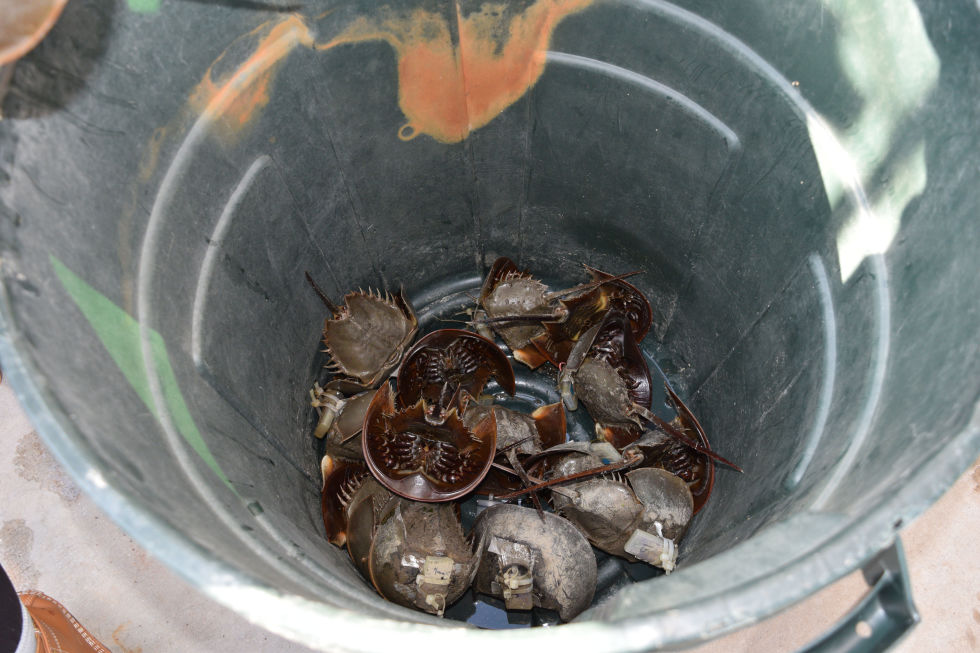
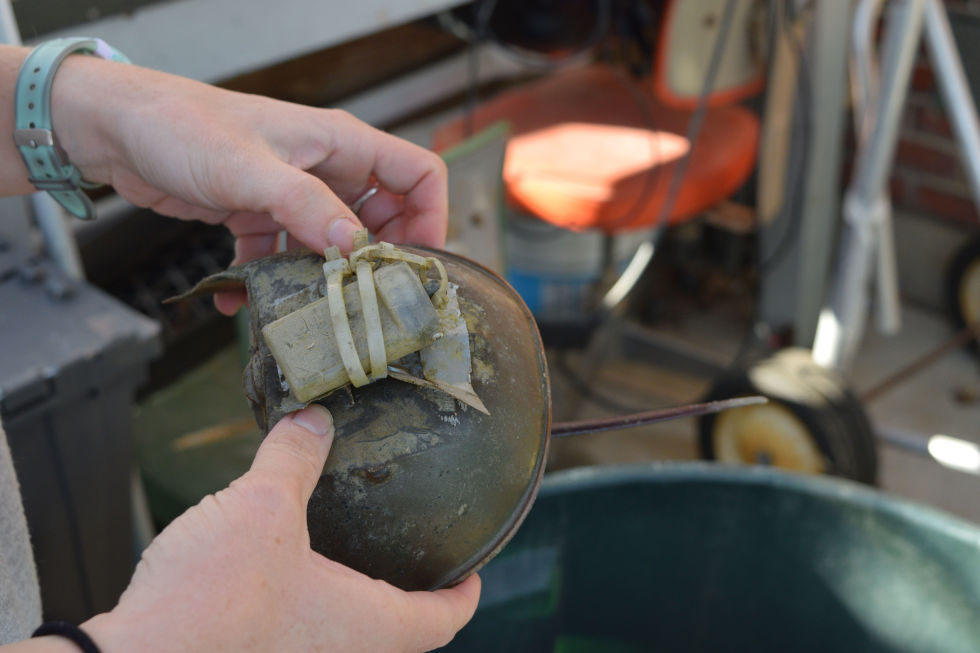
To that end, these two scientists are putting this strange catch to the test. The pair took 28 horseshoe crabs from the Great Bay Estuary behind their lab, left them out in the heat, then drove them around in a car for four hours and then left them in containers overnight to simulate what might happen in a bleeding facility. Then they bled half the crabs (so they'd have a control group that wasn't bled). All of the crabs remained in containers a second night, as would likely happen at a bleeding lab. The following day, Owings and Watson put $350 transmitters on their backs, attached them snugly with little zip ties, and put the crabs back into the bay to see if they could make their way. What they find might have a lot to say about the future of this odd routine.

The Potential
Horseshoe crab blood is an E. coli detective.

Scientists use the precious substance—specifically, the crab blood's clotting agent—to make a concoction called Limulus Amoebocyte Lysate (LAL). LAL is used to detect Gram-negative bacteria like Escherichia coli ("E. coli"), which can wreak havoc on humans.

gallery-1492018151-gettyimages-593375882.jpg


The horseshoe crab plays a vital, if little-known, role in the life of anyone who has received an injectable medication.

Basically, you can divide the bacteria of the world into two groups based on a test developed by Christian Gram, a Danish physician of the late 1800s. The two classes differ physiologically, especially in the composition of their cell walls. Gram-negative bacteria like E. coli contain a type of sugar called an endotoxin in their cell walls, while Gram-positive types like Staphylococcus (of the Staph infection) do not. (The "positive" and "negative" refer to how the microorganisms reacts to a staining test Gram invented.)

Those endotoxins are harmful to human beings and can survive the high heat and harsh conditions under which drugs and medical devices are sterilized and tested. They persist like zombies. Endotoxins wreak havoc on the immune system and make humans susceptible to life-threatening conditions like sepsis. LAL detects these endotoxins by turning from a liquid to a clotted gel when they come in contact with those toxins.

While industry experts say the $14,000-a-quart estimate is high—the figure is more likely the price tag for the coveted amoebocytes that are extracted from the blood—it is testament to how precious LAL has become.

To make enough of it for LAL testing, the biomedical industry now bleeds about 500,000 crabs a year. Global pharmaceutical markets are expected to grow as much as 8 percent over the next year. The medical devices market in the Americas is expected to grow about 25 percent by 2020. The demand for crabs will only grow.

The Problem
When a species is impacted on land, it's easy to see the effects. When the adverse effects occur under water, we don't really know about it—or don't really care. It's why we used to dump garbage and toxic chemicals into the water. What happens under water stays under water.

As such, scientists don't know exactly what biomedical testing does to horseshoe crabs. But they know enough to be worried.

The International Union for Conservation of Nature, which sets global standards for species extinction, created a horseshoe crab subcommittee in 2012 to monitor the issue. The group decided last year that the American horseshoe crab is "vulnerable" to extinction—a higher level of danger compared to the last Red List assessment in 1996. "Vulnerable" is just one notch below "endangered," after all. Furthermore, the report said crab populations could fall 30 percent over the next 40 years. (This risk varies by region. While populations are increasing in the Southeast and stable in the Delaware Bay, spawning in the Gulf of Maine is no longer happening at some historic locations and the population continues to decline in New England, largely because of overharvesting.)


gallery-1492018296-gettyimages-588158754.jpg


The same story plays out across the Pacific Ocean. The horseshoe crab native to Asia, called Tachypleus, produces a different but equally useful version of LAL called Tachypleus Amoebocyte Lysate, or TAL. But horseshoe crabs are already disappearing from beaches in China, Japan, Singapore, Taiwan, and Hong Kong, places where they once thrived. Some fear that if the pharmaceutical industry continues to grow and horseshoe crabs disappear in Asia, companies producing bacteria identifiers there will set their sights on crabs here, further depleting the U.S. population.

If the species were to dwindle, it wouldn't just be an issue for conservationists but for everyone, as LAL is currently the only substance able to detect gamma-negative bacteria in the health field. As one conservationist put it, "Every man, woman, and child and domestic animal on this planet that uses medical services is connected to the horseshoe crab."

"THEY'RE VERY HEARTY. BUT I THINK THEY PAY A PRICE FOR THAT."

The Pings
Owing's crab transmitters give off a series of acoustic pings every 45 seconds. When the crabs get within 300 to 400 meters of an underwater receiver, that gadget picks up and records the ping. Each ping is different—it indicates which crab was there, how deep it was, and how active it had been in the prior 45 seconds. Every week or two, Owings and Watson sail out in a boat to download the data, and move the receivers if they need to follow the crabs. I rode along on one of these voyages last fall.


gallery-1492019499-a.jpg


The Great Bay Estuary is about 60 feet deep in the middle, though the crabs tend to hang out around the edges, foraging for food. As we drive around the waterway, the researchers gaze across the water looking for the moorings that hold the receivers. They nearly lost a receiver once when a boat ran over the rope that held it to the mooring. Nobody said science would be easy. Thankfully, a secondary rope had been attached that kept the device from dropping to the bottom of the bay.

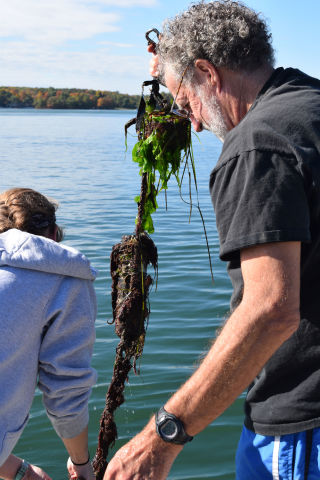
About three minutes from the dock, we find the first one. Watson pulls a seaweed-covered rope out of the water with a hook and reels it in until he reaches the missile-shaped receiver. Owings takes it from him and inserts a key, enabling the Bluetooth device on her laptop to download the receiver data, a log of every time it detected a crab's ping.

"It's frozen," Owings says.

"The computer? Can you reboot?" Watson says. "Trying," she says. Nobody said technology would be easy, either.

The reboot works. As the data finishes downloading, Owings shouts, "19,000!", referring to the number of pings the receiver has picked up. She removes the key and drops the device back into the water to continue its task. The world needs that data.

The Catch


gallery-1492017783-h-crab.jpg


The Atlantic States Marine Fisheries Commission (ASMFC), which manages the fishery resources along the Atlantic coast, has harvest quotas in place on bait fishermen who use horseshoe crabs to catch eels and conch. But not for biomedical laboratories. They can take as many crabs as they like, and that harvest continues to grow. The number of crabs harvested by the U.S. biomedical industry jumped from an estimated 200,000 to 250,000 in the 1990s to more than 610,000 crabs in 2012, according to the ASMFC's latest stock assessment report.

"We were successful in exempting ourselves from quotas," said Thomas Novitsky, a scientist and former CEO of Associates of Cape Cod, an LAL company in East Falmouth, Mass. "We lobbied the ASMFC, telling them we're not hurting the crabs. We're putting them back. We have a very important medical application here, so give us a break and don't put the regulations on us."

The LAL labs argued that after the crabs are bled, they go back into the water and recover. That assumption is now being questioned. The ASMFC's decision not to restrict the biomedical industry assumed that some crabs, about 15 percent, would die. Now, that threshold has been broken in the last nine years. And evidence is accumulating that the death rate of bled horseshoe crabs is much higher (more like 29 percent versus 15 percent), that females may have an impaired ability to spawn, and that bled crabs become disoriented and debilitated for various lengths of time, Novitsky said. In Pleasant Bay on Cape Cod, where horseshoe crabs are known to be bled for biomedical use, he says fewer females are spawning than in other regions.

"There's been a dramatic effect," Novitsky said. "The industry will unite and say these studies were done in a lab, and you can't compare that with what's done in nature, but that argument doesn't hold water."

Restricting the biomedical harvest is no easy task, and it starts with the red tape. According to Michael Schmidtke, the Fishery Management Plan Coordinator for ASMFC, the stock assessments (a measure of how many crabs are out there in the first place) have not taken the biomedical crab harvest into account. That's about to change. The commission voted to allow biomedical data to be used in its assessment due in 2018.

But getting a more accurate count is only part of the equation. Even if there were a quota, there's no guarantee that the organization could enforce it. First there's the question of authority. "ASMFC has no jurisdiction over the biomedical industry. It's not a fishery. It's like ASMFC trying to monitor the tobacco industry," said Jeff Brust, a research scientist with the New Jersey Department of Environmental Protection.And then there's the pure damn necessity. While several companies have come up with synthetic alternatives for detecting the presence of endotoxins in vaccines, medicine, and medical instruments, LAL is still the only test that has received FDA approval.

The Stress
It's hard enough on a creature to lose a large quantity of blood and then survive in the wild. But that's only part of the problem for the crab. According to scientists like Owings and Watson, there's a growing body of evidence that factors related to the capture and transportation are hurting the crabs, too.

"I imagine when you put them back in the water, if you were to measure their breathing rate, it would be intense," Watson said, noting that their time spent out of the water has probably made them anaerobic for a while. "If I was put through a period where I couldn't breathe, and you put me back where you found me, I'd just sit there and breathe for a day."


gallery-1492019792-c.jpg


Watson says the companies catch so many crabs at one time that they can't keep them in tanks. There's just too many. And so the catchers just pile crabs out on the deck of the boat.

"Name me another marine creature who breathes under water who can survive on land the way they can," Watson says. "You can't do that with a fish, or a lobster. They're very hearty. But I think they pay a price for that."

The firms involved in this fishing will say they use best management practices in their harvesting, but it's totally voluntary, open-ended, and vague, Novitsky says, which isn't surprising. The rules were put forward by representatives of the LAL labs, which sit on ASMFC's committees. ASMFC has best practices spelled out, but they have neither enforcement nor surveillance capabilities.

"IT ALSO MADE US REALIZE WE DON'T KNOW WHAT THESE GUYS DO MOST OF THE YEAR."

"I was getting directives from the ownership that we weren't profitable enough, and you know how that goes," said Novitsky, who was actually pushed out of Cape Cod Associates after it was acquired by a Japanese firm.

Owings and Watson say they don't want to stop biomedical companies from bleeding crabs. They just want them to do it in a less damaging way. For instance: Companies may not know that when the crabs are bled—or even just held in the laboratory for a long period of time—they have a hard time replenishing their blood supply because their hemocyanin levels remain low, Watson says. Hemocyanin is a protein similar to hemoglobin that transports oxygen through the body. It's as if the crabs become anemic, and it happens by just taking them out of the water, whether you bleed them or not, though the recovery is worse if they've been bled. Their studies have shown that just being in captivity had a negative effect, Owings said.

"Imagine if you had a cow, and every time you milked it, it took a month before it had more milk. That's the problem here," Watson said, noting that if you take a quart of blood from a human, they recover within days. "In terms of the things we've found? That, to me, is a red flag. It's something that is a clear target that we can start to address."

Watson also worries that the needle itself impairs something that acts like a pacemaker in the crab's heart. In the biomedical lab, the needle is inserted in a soft membrane that runs along a hinge in the crab's shell. But that membrane runs across the crab's heart. If the needle hits the crab's pacemaker, it could disrupt its heartbeat permanently. Companies may not even know about that—Watson only does because of his thesis on horseshoe crab neurobiology.

One other thing: Horseshoe crabs have a strong tidal rhythm. They know when high tide is coming, and they move to the edge of the water. Watson tested this several years ago with a colleague, by building a version of a hamster wheel out of two five-gallon buckets with the openings facing each other but leaving just enough space in between for the crab's tail. They then placed it inside the buckets and found it would run every 12.4 hours, about the same cycle as the tides.

"It made us realize that the tides were more important to these guys than we thought. I thought it was just during mating season," he said. It was an important discovery because it meant they would lose that rhythm pretty quickly if you take them out of water and bring them into a lab. "It also made us realize we don't know what these guys do most of the year. No one observes these guys except when they're mating."

He'd like to eventually take some of his discoveries to the medical labs with the hope that they can improve their bleeding practices. If we know the bleeding process reduces the crab's hemocyanin, which compromises their immune system, feeding them a diet of copper before they are returned to the water might help bring their hemocyanin levels back up. He'd like to sell the idea to the bleeding labs. But to date, his attempts to reach them, he says—even to simply confirm that their bleeding simulations are accurate —have gone unanswered.

"I'm not trying to shut the companies down. I just want to see if there's a better way to do it," he said.

Finding Their Way


gallery-1492019981-e.jpg


There are about a dozen receivers in the water, and when the crabs move far out of range—and they can move several miles in a day—the researchers have to relocate them to make sure the pings continue to be read.

"We've used this method for tracking lobsters in the ocean. But sometimes, you'd have to drive around for hours looking for them. At least in here, you can drive down the middle of the bay and find them," Watson said.

We're sitting in the boat and Owings is holding one of the receivers. She's trying to get me to hear one of the pings coming from a nearby crab.

"There's one!" Owings says.

"I didn't hear it," I said.

"There!" she said, hearing another ping.

It reminded me of when our smoke alarm battery was dying, and it kept beeping, but my husband and I couldn't find the detector. For two weeks, the beep would sound but never long enough for us to locate the device. Our dog eventually found it for us.

Watson puts the boat in gear and gets ready to drive off.

"We have to put the (receiver) back!" Owings says.

"Good point, Meghan," Watson says.

As we drive off, Watson remarks on how the crabs have a mysterious understanding of where they are in the estuary and where they need to be at different times of year. Horseshoe crabs like the shallow mudflats in the spring, summer, and fall, because they can forage for snails and worms there during high tide. In the cold winter months, they don't eat much if at all, so it's hard to know where they go once they descend into deeper darker waters.

"They disperse. I don't know how they find their way," Watson said.

And yet they do. There are four hot spots for crabs in the estuary, he says, and you'll see the same crabs there at certain times of year. He knows this because researchers have tagged them. There are certain spots where the females lay their eggs, the males fertilize them, and the eggs hatch 30 days later, he says, pointing to one of those spots along the shore. And yet the larvae must be carried off by the current to a different location because the juvenile crabs aren't usually found in the spawning site but rather somewhere else in the estuary, he says. It leads him to believe there's a complex pattern to their life cycle that we don't fully understand yet.

"There's a whole connectivity going on, where you reproduce, where the eggs hatch, where the larvae get carried," even where the birds come to eat the eggs, he said. "When the biomedical labs take the crabs out to bleed them and put them back in a different spot, it could disrupt that connectivity thing."

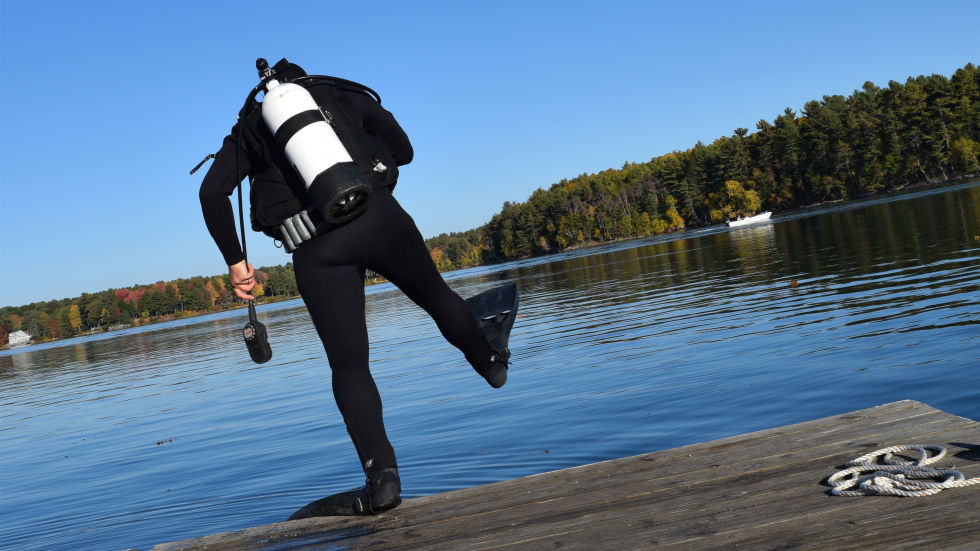
When we get back to shore, Watson says he is going scuba diving with two other students. They need to log a certain amount of time in the water to maintain their diving credentials. As he puts on his wet suit, he tells me about a camera system he and a colleague once mounted on a lobster trap to see what happened when they were caught. What they found was that all but about a tenth of the lobsters were able to escape.

"We were dumbfounded by the results," he says.


gallery-1492020067-d.jpg


He puts on his weight belt, tank, fins, and goggles and walks to the end of the dock and steps into the water. He walks for a while in the shallow water, and for a time, I can still see the top of his head. But as he swims off, his head begins to disappear under the surface of the water, and he gets one more glimpse of what goes on in the darkness below.
 
Tucker is the best Pepe ever. More pepe. Wear a green tie tonight my brother.

Ha ha, he gave Mark Cuban rug burn last night.
 
this is great

https://theconcourse.deadspin.com/i-just-love-this-juicero-story-so-much-1794459898

I Just Love This Juicero Story So Much

toalqjtdwwukmum35pwn.png


Of all the amazing sentences and couplets and paragraphs in this wonderful Bloomberg story about the troubles of a juice and juice-press technology company called Juicero Inc., I think the following is my favorite:


[Juicero founder Doug Evans] said he spent about three years building a dozen prototypes before devising Juicero’s patent-pending press.

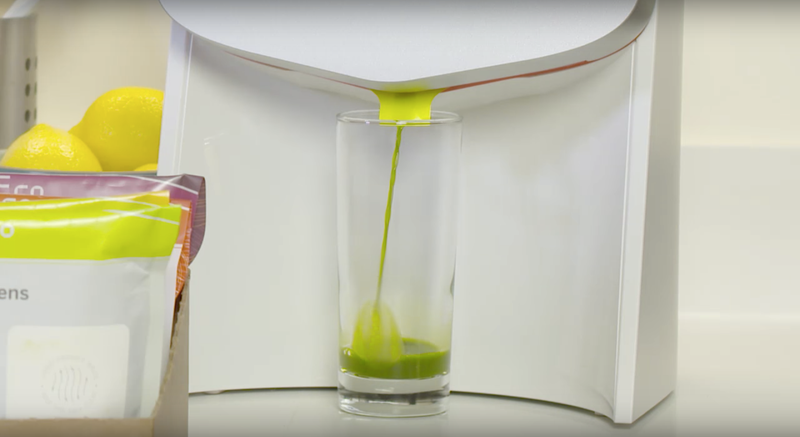
This sentence is like a million-carat diamond. It is like a vision of the Blessed Virgin Mary. Print out this sentence and put it in the Louvre. Here is the device Doug Evans spent three years laboring to invent:


The device Evans spent three years laboring to invent is a $400 WiFi-enabled tabletop machine that squeezes juice ... out of a bag of Juicero-brand juice. It squeezes bags of juice. It is a juice press that squeezes the juice ... out of bags of juice. Bags ... with built-in spouts ... that are filled with juice. Juice that comes in bags.

What kind of juice are you drinking? Oh, it’s bagfruit juice. Fresh-squeezed!


Here is another good-ass sentence from what, for my money, is the best story ever written about Silicon Valley. It pairs very nicely with the previous one:

But after the product hit the market, some investors were surprised to discover a much cheaper alternative: You can squeeze the Juicero bags with your bare hands.

Oh no! This must have been a terrible shock to these venture capitalists. Sir, we’ve received some disturbing news. I don’t know how this happened, but apparently some of our customers are slightly less stupid than the absolute stupidest they possibly could be.


I like this one, too (emphasis mine):

One of the investors said they were frustrated with how the company didn’t deliver on the original pitch and that their venture firm wouldn’t have met with Evans if he were hawking bags of juice that didn’t require high-priced hardware.

When we signed up to pump money into this juice company, it was because we thought drinking the juice would be a lot harder and more expensive. That was the selling point, because Silicon Valley is a stupid libertarian dystopia where investor-class vampires are the consumers and a regular person’s money is what they go shopping for. Easily opened bags of juice do not give these awful nightmare trash parasites a good bargain on the disposable income of credulous wellness-fad suckers; therefore easily opened bags of juice are a worse investment than bags of juice that are harder to open.

Listen. Many features of life in this, the Ham-Fisted Satire Of Late Capitalism Dimension, are stupid. Donald Trump got to be president by holding up the wallet his dad gave him and yelling “I fuck this wallet.” The police will beat the shit out of you for using your flight ticket. Miami Beach is literally dissolving. The only thing this dimension does well is show its ass. We might as well applaud it!

God bless Juicero. I’m going to get this story tattooed on my brain.

[Bloomberg]
 
Nant whisky investors told audit revealed 700 barrels sold to them 'never filled'
By Will Ockenden and the National Reporting Team's Rebecca Armitage
Updated 22 Mar 2017, 11:33am

PHOTO: Nant whisky was founded over 10 years ago by Mr Batt, winning two medals in the 2015 World Spirit Awards. (Flickr: Newtown graffiti)
RELATED STORY: Nant Distillery founder stands by whisky investment scheme
MAP: Bothwell 7030investigations@abc.net.au


"There was a significant quantity of barrels that had the owners' names and barrel numbers sanded off the barrels (we do not understand the reason for this)."

Australian Whisky told investors the sale of the Nant Estate in Bothwell was finalised in February, but a deal to buy the Nant distillery business fell through.

Investor feels lucky to have got paid
Peter Bignall, who in 2009 was employed to restore the mill at Nant distillery, said he was paid for some of his work with a barrel of whisky.

After trying to redeem the barrel and move it to his own distillery, he was eventually paid out.

Mr Bignall worries the dispute may affect other Tasmanian whisky makers from attracting investors.

"Anybody who wants to try to raise funds in the future, it'll be a bit harder for them after this," he said.

PHOTO: Mr Bignall worries that the scandal may affect other Tasmanian whisky makers from attracting investors. (ABC News: Lucy Shannon)


The Nant Distillery is connected to the family of businessman Keith Batt, who in December 2016 filed for bankruptcy, owing millions on a separate failed business.

Australian Whisky told the ABC that while many whisky investors will be paid out, investors who own the non-existent barrels will have to pursue Nant Distillery for their money.

Nant whisky was founded more than a decade ago by Mr Batt, and became an international sensation, winning two medals in the World Spirit Awards in 2015.

A basic 500ml bottle sold for $150.

Last week, the Nant Distilling Company Facebook page posted a letter to investors.

In it, the company said they terminated the deal with Australian Whisky Holdings amid concerns the company would not prioritise Nant investors.

"The Nant arrangement we entered with you, may not be as equal importance to AWH and the relationship they may have with you," the letter said.

"It is our intention to recommence the redemption of barrels and our bottling and dispatch operations."

Attempts by the ABC to contact Mr Batt, and the Nant group of companies were unsuccessful, and emails have not been returned.
 
I bought a bottle of that Australian Outback Whiskey once, rough as a North Sea oil rig worker's backside.

I am not sure the Australian climate is suitable for whisky creating after the distilling process. I think it needs a more temperate climate.
 
Jesus Wept -anything branded Australian plus the words Outback or Bush or Kangaroo etc is only tourist trap nonsense.

I've had some of the decent Tasmanian whiskeys - they are fine by anyone's standards although a bit overpriced imo. I took one over to Japan to thank my Japanese host. One of my little brothers lives in Aberdeen - he's tasted a lot - maybe all Scots single malts etc - he's more than happy with a bottle of Tassie whisky
 
Yes, but one place it's not very good to be sourcing Scottish whisky in, is in Scotland!

Tasmania's got more of a temperate climate that the main Aussie land mass. Still the same amount of arachnoid activity I note.
 
http://bjsm.bmj.com/content/early/2017/03/31/bjsports-2016-097285

Editorial

Saturated fat does not clog the arteries: coronary heart disease is a chronic inflammatory condition, the risk of which can be effectively reduced from healthy lifestyle interventions


  1. Aseem Malhotra1,
  2. Rita F Redberg2,3,
  3. Pascal Meier4,5
Author affiliations


http://dx.doi.org/10.1136/bjsports-2016-097285


Statistics from Altmetric.com

See more details


Tweeted by 7

Coronary artery disease pathogenesis and treatment urgently requires a paradigm shift. Despite popular belief among doctors and the public, the conceptual model of dietary saturated fat clogging a pipe is just plain wrong. A landmark systematic review and meta-analysis of observational studies showed no association between saturated fat consumption and (1) all-cause mortality, (2) coronary heart disease (CHD), (3) CHD mortality, (4) ischaemic stroke or (5) type 2 diabetes in healthy adults.1 Similarly in the secondary prevention of CHD there is no benefit from reduced fat, including saturated fat, on myocardial infarction, cardiovascular or all-cause mortality.2 It is instructive to note that in an angiographic study of postmenopausal women with CHD, greater intake of saturated fat was associated with less progression of atherosclerosis whereas carbohydrate and polyunsaturated fat intake were associated with greater progression.3

Preventing the development of atherosclerosis is important but it is atherothrombosis that is the real killer
The inflammatory processes that contribute to cholesterol deposition within the artery wall and subsequent plaque formation (atherosclerosis), more closely resembles a ‘pimple’ (figure 1). Most cardiac events occur at sites with <70% coronary artery obstruction and these do not generate ischaemia on stress testing.4 When plaques rupture (analogous to a pimple bursting), coronary thrombosis and myocardial infarction can occur within minutes. The limitation of the current plumbing approach (‘unclogging a pipe’) to the management of coronary disease is revealed by a series of randomised controlled trials (RCTs) which prove that stenting significantly obstructive stable lesions fail to prevent myocardial infarction or to reduce mortality.5

Lifestyle interventions for the prevention and treatment of coronary disease.
" data-icon-position="" data-hide-link-title="0" style="-webkit-font-smoothing: antialiased; box-sizing: border-box; color: rgb(42, 110, 187); box-shadow: none; border: 0px;">

Figure 1
Lifestyle interventions for the prevention and treatment of coronary disease.


Dietary RCTs with outcome benefit in primary and secondary prevention
In comparison with advice to follow a ‘low fat’ diet (37% fat), an energy-unrestricted Mediterranean diet (41% fat) supplemented with at least four tablespoons of extra virgin olive oil or a handful of nuts (PREDIMED) achieved a significant 30% (number needed to treat (NNT)=61) reduction in cardiovascular events in over 7500 high-risk patients. Furthermore, the Lyon Heart study showed that adopting a Mediterranean diet in secondary prevention improved hard outcomes for both recurrent myocardial infarction (NNT=18) and all-cause mortality (NNT=30), despite there being no significant difference in plasma low-density lipoprotein (LDL) cholesterol between the two groups. It is the alpha linoleic acid, polyphenols and omega-3 fatty acids present in nuts, extra virgin olive oil, vegetables and oily fish that rapidly attenuate inflammation and coronary thrombosis.6 Both control diets in these studies were relatively healthy, which make it highly likely that even larger benefits would be observed if the Mediterranean diets discussed above were compared with a typical western diet.

LDL cholesterol risk has been exaggerated
Decades of emphasis on the primacy of lowering plasma cholesterol, as if this was an end in itself and driving a market of ‘proven to lower cholesterol’ and ‘low-fat’ foods and medications, has been misguided. Selective reporting may partly explain this misconception. Reanalysis of unpublished data from the Sydney Diet Heart Study and the Minnesota coronary experiment reveal replacing saturated fat with linoleic acid containing vegetable oils increased mortality risk despite significant reductions in LDL and total cholesterol (TC).7

A high TC to high-density lipoprotein (HDL) ratio is the best predictor of cardiovascular risk (hence this calculation, not LDL, is used in recognised cardiovascular risk calculators such as that from Framingham). A high TC to HDL ratio is also a surrogate marker for insulin resistance (ie, chronically elevated serum insulin at the root of heart disease, type 2 diabetes and obesity). And in those over 60 years, a recent systematic review concluded that LDL cholesterol is not associated with cardiovascular disease and is inversely associated with all-cause mortality.8 A high TC to HDL ratio drops rapidly with dietary changes such as replacing refined carbohydrates with healthy high fat foods.

A simple way to combat insulin resistance (chronically high levels of serum insulin) and inflammation
Compared with physically inactive individuals, those who walk briskly at or above 150 min/week can increase life expectancy by 3.4–4.5 years independent of body weight.9 Regular brisk walking may also be more effective than running in preventing coronary disease. And just 30 min of moderate activity a day more than three times/week significantly improves insulin sensitivity and helps reverse insulin resistance (ie, lowers the chronically elevated levels of insulin that are associated with obesity) within months in sedentary middle-aged adults. This occurs independent of weight loss and suggests even a little activity goes a long way.

Another risk factor for CHD is environmental stress. Childhood trauma can lead to an average decrease in life expectancy of 20 years. Chronic stress increases glucocorticoid receptor resistance, which results in failure to down regulate the inflammatory response. Combining a complete lifestyle approach of a healthful diet, regular movement and stress reduction will improve quality of life, reduce cardiovascular and all-cause mortality.10 It is time to shift the public health message in the prevention and treatment of coronary artery disease away from measuring serum lipids and reducing dietary saturated fat. Coronary artery disease is a chronic inflammatory disease and it can be reduced effectively by walking 22 min a day and eating real food. There is no business model or market to help spread this simple yet powerful intervention.

References
    1. de Souza RJ ,
    2. Mente A ,
    3. Maroleanu A , et al
    . Intake of saturated and trans unsaturated fatty acids and risk of all cause mortality, cardiovascular disease, and type 2 diabetes: systematic review and meta-analysis of observational studies. BMJ 2015;351:h3978.doi:10.1136/bmj.h3978
    Abstract/FREE Full TextGoogle Scholar
    1. Schwingshackl L ,
    2. Hoffmann G
    . Dietary fatty acids in the secondary prevention of coronary heart disease: a systematic review, meta-analysis and meta-regression. BMJ Open 2014;4:e004487.doi:10.1136/bmjopen-2013-004487
    Google Scholar
    1. Mozaffarian D ,
    2. Rimm EB ,
    3. HerringtonDM
    . Dietary fats, carbohydrate, and progression of coronary atherosclerosis in postmenopausal women. Am J Clin Nutr2004;80:1175–84.
    Abstract/FREE Full TextGoogle Scholar
    1. Rothberg MB
    . Coronary artery disease as clogged pipes: a misconceptual model. Circ Cardiovasc Qual Outcomes2013;6:129–32.doi:10.1161/CIRCOUTCOMES.112.967778
    FREE Full TextGoogle Scholar
    1. Malhotra A
    . The whole truth about coronary stents: the elephant in the room. JAMA Intern Med 2014;174:1367–8.doi:10.1001/jamainternmed.2013.9190
    Google Scholar
    1. Chakrabarti S ,
    2. Freedman JE
    . Review: nutriceuticals as antithrombotic agents. Cardiovasc Ther 2010;28:227–35.doi:10.1111/j.1755-5922.2010.00161.x
    CrossRefPubMedGoogle Scholar
    1. Ramsden CE ,
    2. Zamora D ,
    3. Majchrzak-Hong S , et al
    . Re-evaluation of the traditional diet-heart hypothesis: analysis of recovered data from Minnesota coronary experiment (1968-73). BMJ 2016;353:i1246.doi:10.1136/bmj.i1246
    Abstract/FREE Full TextGoogle Scholar
    1. Ravnskov U ,
    2. Diamond DM ,
    3. Hama R , et al
    . Lack of an association or an inverse association between low-density-lipoprotein cholesterol and mortality in the elderly: a systematic review. BMJ Open2016;6:e010401.doi:10.1136/bmjopen-2015-010401
    Google Scholar
    1. Moore SC ,
    2. Patel AV ,
    3. Matthews CE , et al
    . Leisure time physical activity of moderate to vigorous intensity and mortality: a large pooled cohort analysis. PLoS Med2012;9:e1001335.doi:10.1371/journal.pmed.1001335
    CrossRefPubMedGoogle Scholar
    1. Blackburn EH ,
    2. Epel ES
    . Too toxic to ignore. Nature 2012;490:169–71.
    CrossRefPubMedWeb of ScienceGoogle Scholar
View Abstract

Footnotes
  • Contributors AM wrote the initial draft with further revisions and edits from RFR and PM.

  • Competing interests RFR served as a consultant for one day in May 2015 for Amgen. AM is a co-producer of the documentary The Big Fat Fix.

  • Provenance and peer review Not commissioned; externally peer reviewed.
 
More great work from 1791L.

Why are christians derided for their (wrong) views on evolution, but leftists get to live in a fantasy land that basic biology is overridden by identity?

 
More great work from 1791L.

Why are christians derided for their (wrong) views on evolution, but leftists get to live in a fantasy land that basic biology is overridden by identity?


let me stop you right at the :30 second mark. why is it a problem to call out people who don't believe in evolution?

moving forward though this, Tyson says absolutely nothing about identity.

what is your basic problem here?
 
let me stop you right at the :30 second mark. why is it a problem to call out people who don't believe in evolution?

moving forward though this, Tyson says absolutely nothing about identity.

what is your basic problem here?

Its not. It's a problem to call those people out, and not call out the people who don't believe in biology.

Tyson didn't, it's that wierdo Bill Nye who put out some really weird identity video.

My basic problem is that science is taken for granted when it's leftist, even though history is filled with scientific certainty that turns out to be wrong.

You can see Mark Dice's take on the weird video here:

 
this one has something for both OfficePants OfficePants and doghouse doghouse

A Modest Proposal To Fix The World

Fire every non commission employee making more than seven times the median national income (all income included.)

Put a 100% tax on all income over 7x median, no exceptions for any type of income.

Put a 100% tax on on all inheritances over 50 x median (that’s enough of a head-start on life for winning the lucky sperm contest.)

Promote those who were earning less.

Secret: the people running the economy are not the best, and if they are brightest, we need stupider people. I base this on their results.

Going forward, the top income level will increase, as a percentage, equal to the average income of the bottom 5% and the median income.

This will sort out a lot of problems quickly.

First, it gets rid of the people running the economy today, who are obviously either hopeless fuckups or completely uninterested in results for anyone but themselves and a few cronies.

Second, it concentrates the minds of those at the top on the problems of those at the middle and bottom. They want that 7xmedian to be higher, so suddenly, they care about the poor and the middle class. A lot.

Third, it rather quickly deals with people with too much money now (yes, there is such a thing); since if their 7xmedian income doesn’t support their lifestyle, they will have to dip into their capital to pay for it. Since all capital gains will be treated as income, well, should be fun.

Yes, there are all sorts of ways people can try to get around this, you plug them as fast as you find them and write the initial laws in very generous ways, like money-laundering laws. (Were you obviously trying to get around money laundering laws? If so, you’re probably going to jail. That’s how they’re written.)

Why 7x? Why not. It’s enough that no one can say they shouldn’t still feel very rich, and if they don’t, then something is deeply wrong with the median.

The general rule of policy is that policy which is good for the rich and the middle class is bad for the middle class because the rich get so much more from it. So the housing bubble looked good for the middle class (and a few people won), but really it was so much better for the rich that it gave them so much power along with other financial shenanigans, that they were able to gut the middle class.

Policy which is good for the middle class and the poor, or even just the poor, is good for the middle class. Poor people spend their money, and poor people who get better off become middle class people. A middle class which identifies with the poor and not the rich, will be secure, because they will support the wellspring of their own success.

There’s a bunch of moral and ethical argument that should go into a piece like this, but it comes down to this: every social welfare statistic worth mentioning tracks inequality not absolute wealth, once you’re beyond the point of “enough so I’m not starving”. (See “The Spirit Level” for the nailed down, stupidly overdetailed proving of the obvious.)

The rich are rich because society makes that possible, through aggressive enforcement of totally artificial property laws and massive infrastructure which benefits them far more than anyone else. Ideas being property is completely artificial, contracts of adhesion that are standard in software are social bullshit, corporations are bundles of hugely valuable rights to avoid responsibility for losses, and all of that is before we even get to 20 trillion dollars (in the US alone) to bail out bankers who had genuinely lost everything, and that includes Goldman Sachs, because winning bets with counterparties who are bankrupt is worth 10 cents on the dollar, and at that rate, Goldman is bankrupt too.)

The people in charge have done a terrible job,it is a moral imperative to take it from them and give it to people who will spend it better than they do. (If they spent it well, then the world and the economy wouldn’t be so fucked.)

The people not in charge who are familiar with their jobs/businesses deserve a try.

There are bunch of things to add to this, but they all basically come down to two simple rules:

  1. keep the rich poor;
  2. Never let money or power buy anything that matters.
A better education than normal; a jump in the healthcare queue line; avoiding airport security; flying on a private jet; avoiding traffic in a helicopter; not staying at the same hotels as anyone else. Nothing that matters. They can have nicer consumer goods, as long as they don’t matter, and that is all.

When people running something are complete fuckups you take away their power. That means their position, and since money is power, their obscene wealth. You replace them with someone else. It is that simple.

Eat the rich, or the rich will eat you.

And they have been dining well.
 
Well, this bit is only 95% wrong, so relatively speaking, this is the best thing he's ever written by a factor of infinity billion.

This paragraph is accurate though.

Policy which is good for the middle class and the poor, or even just the poor, is good for the middle class. Poor people spend their money, and poor people who get better off become middle class people. A middle class which identifies with the poor and not the rich, will be secure, because they will support the wellspring of their own success.


Grand Potentate Grand Potentate , what is that the constitution President Camacho wrote?


I legit lol'd.
 
Absolutely. Take her to lunch or dinner and report back on your deep analice.

Cheers

I just spent an hour talking to someone from her mid to late 20s at the cafe next door which she paid for me. I'm good mate.
 

Users who are viewing this thread

Back
Top Bottom